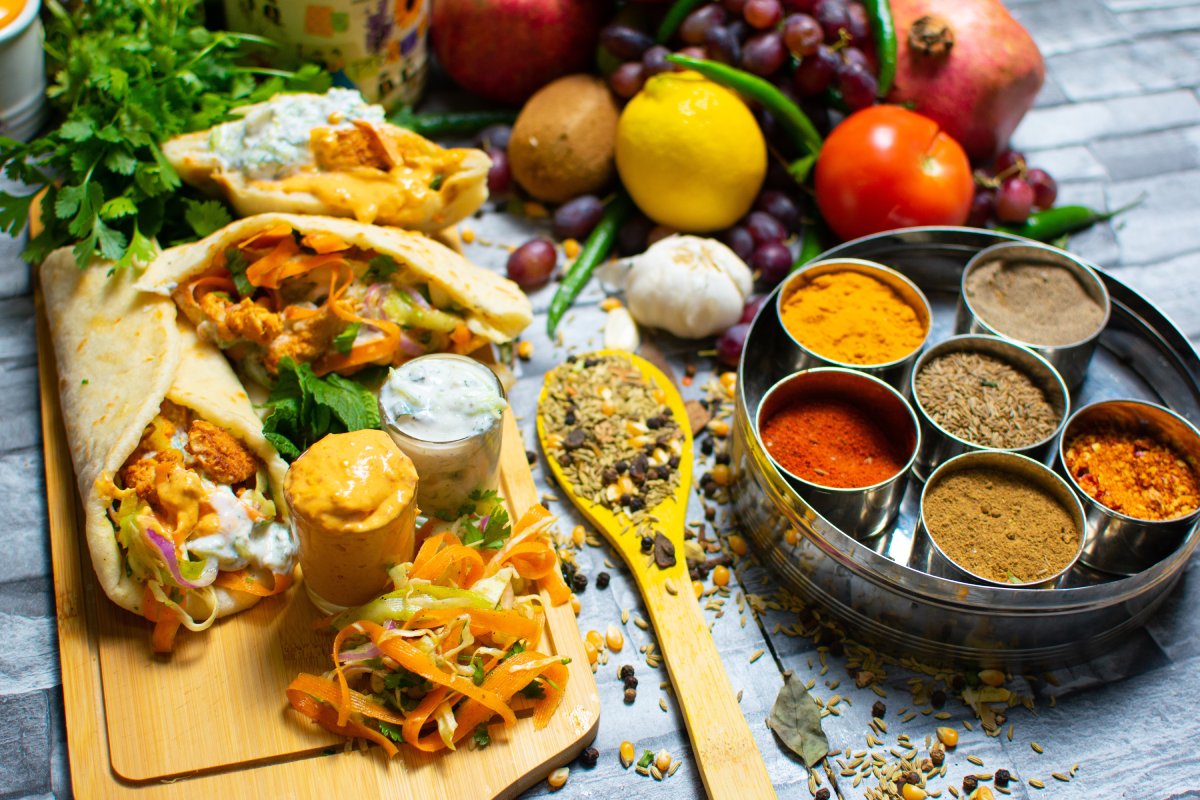
India, a land of vibrant colors, diverse cultures, and breathtaking landscapes, boasts a culinary heritage as rich and varied as its geography. For centuries, the Spice Route has woven its influence into the very fabric of Indian cuisine, leaving an indelible mark on the flavors, ingredients, and cooking techniques that define each region. Join us on a culinary journey as we revisit this historic route, exploring the unique regional cuisines of India and uncovering the secrets behind their distinctive tastes.
Aromatic South: A Symphony of Spices
Southern India, blessed with a tropical climate and fertile soil, is a spice lover's paradise. The cuisine here is characterized by the liberal use of spices like cardamom, cloves, cinnamon, mustard seeds, and of course, chilies. Rice is the staple grain, and coconut milk is a common ingredient, lending a creamy richness to many dishes.
Key Flavors of Southern India:
- Tamil Nadu: Known for its Chettinad cuisine, featuring fiery curries made with a complex blend of spices. Sambar, a lentil-based vegetable stew, and Rasam, a tangy tamarind soup, are also popular.
- Kerala: Famous for its seafood dishes cooked in coconut milk, flavored with curry leaves and mustard seeds. Appam (lace-edged pancakes) and Idiyappam (string hoppers) are common breakfast items.
- Karnataka: Bisi Bele Bath, a rice and lentil dish cooked with vegetables and spices, is a regional specialty. Dosa, a thin crepe made from fermented rice and lentil batter, is a popular breakfast and snack option.
- Andhra Pradesh: Known for its spicy curries, particularly those made with red chilies. Hyderabadi Biryani, a fragrant rice dish cooked with meat and spices, is a culinary highlight.
If you're interested in exploring cuisines further afield, consider taking Food Tours in Italy, or perhaps a Food Tour in Turkey, to compare and contrast flavors and culinary traditions.
The Grand North: A Legacy of Mughlai Opulence
Northern India, influenced by the Mughal Empire, boasts a cuisine characterized by rich gravies, aromatic spices, and the use of dairy products like cream and yogurt. Meat dishes are prominent, and bread, such as naan and roti, is a staple.
Signature Dishes of Northern India:
- Punjab: Known for its hearty dishes like Butter Chicken, Tandoori Chicken, and Sarson da Saag (mustard greens). Lassi, a yogurt-based drink, is a popular accompaniment.
- Uttar Pradesh: The home of Mughlai cuisine, featuring dishes like Biryani, Korma, and Kebabs. Awadhi cuisine, from Lucknow, is known for its slow-cooked dishes and delicate flavors.
- Rajasthan: Known for its use of dry spices and dairy products. Dal Baati Churma, a lentil dish served with baked wheat balls and a sweet crumble, is a regional specialty.
- Delhi: A melting pot of cuisines, offering a wide range of dishes from across India. Street food is particularly popular, with options like Chaat, Parathe, and Momos.
For those interested in hands-on experiences, consider looking into Cooking Classes to learn the art of preparing these regional delicacies.
East Meets West: A Fusion of Flavors
Eastern India, with its proximity to Southeast Asia, features a cuisine that incorporates influences from neighboring countries. Rice is the staple grain, and fish is a common ingredient. Western India, on the other hand, is characterized by a blend of vegetarian and non-vegetarian dishes, with a focus on fresh ingredients and bold flavors.
East and West Indian Culinary Highlights:
- West Bengal: Known for its fish curries, sweets, and the use of mustard oil. Macher Jhol (fish curry) and Rosogolla (cheese balls in syrup) are regional specialties.
- Assam: Famous for its fermented dishes and the use of bamboo shoots. Masor Tenga (sour fish curry) and Pitha (rice cakes) are popular.
- Gujarat: Primarily vegetarian, known for its sweet and savory dishes. Dhokla (steamed chickpea flour cake) and Undhiyu (mixed vegetable casserole) are regional favorites.
- Maharashtra: A blend of vegetarian and non-vegetarian dishes, with a focus on spices and flavors. Vada Pav (potato fritter sandwich) and Misal Pav (spicy lentil curry with bread) are popular street food options.
Exploring local markets is a great way to immerse yourself in the regional food culture. Consider joining Market Tours to discover unique ingredients and local specialties.
A Culinary Tapestry: Weaving Together the Threads of India
The Spice Route has left an undeniable legacy on Indian cuisine, shaping the flavors, ingredients, and cooking techniques that define each region. From the fiery curries of the South to the rich Mughlai dishes of the North, the diverse regional cuisines of India offer a culinary adventure for every palate. Whether you're a seasoned foodie or a curious traveler, a journey through India's culinary landscape is sure to be an unforgettable experience.
To truly experience the culinary heart of a place, consider a Food Walk. You can also explore Street Food Tours for a more casual and quick experience.
And for those with a sweet tooth, don't forget to explore Dessert & Pastry Tours to sample the delightful sweets and treats of India. Or perhaps a Drink Tasting Tour to explore the local beverages. You can Discover food tours around the world on our interactive map to find experiences in India and beyond.