Neapolitan pizza has transcended its humble origins to become a symbol of culinary excellence worldwide. With its roots firmly planted in Naples, this beloved dish showcases simplicity and high-quality ingredients. Understanding the story behind authentic Neapolitan pizza is a journey that not only delights the palate but also pays homage to the rich culture of Naples.
The Origins of Neapolitan Pizza
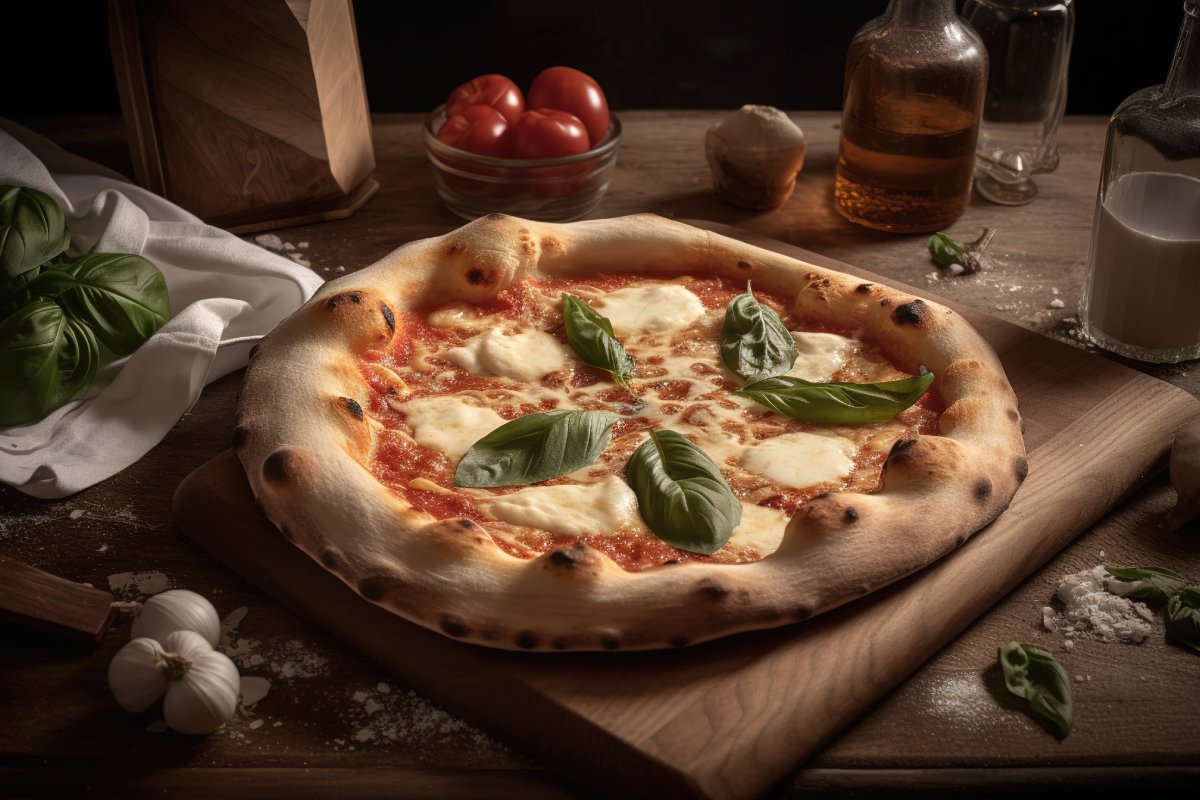
The history of pizza in Naples dates back to the late 18th century. Originally considered food for the poor, it was made with simple ingredients like tomatoes, cheese, and basil. The Margherita pizza, named after Queen Margherita of Savoy, is perhaps the most famous variety. The vibrant colors of the tomato, mozzarella, and basil represent the Italian flag, symbolizing national pride.
Key Ingredients
- San Marzano tomatoes
- Fresh mozzarella, preferably from buffalo milk
- Fresh basil
- Extra virgin olive oil
- Flour, specifically "00" grade
These ingredients come together to create a pizza that is not merely a meal but an experience rich in tradition.
The Neapolitan Pizza Making Process
The preparation of authentic Neapolitan pizza is an art form. It begins with the dough, which is mixed and kneaded by hand and left to rise for a minimum of 8 hours. The dough is then shaped into a thin, disc-like base. This technique is crucial, as it ensures that the pizza retains its characteristic lightness while achieving a perfect balance of texture and flavor.
Baking Techniques
Neapolitan pizza is traditionally baked in a wood-fired oven at extremely high temperatures (around 430–480°C , 800–900°F) for just 60-90 seconds. This method not only cooks the pizza quickly but also adds a distinct smoky flavor that cannot be replicated in standard ovens. The high heat creates a crust that is soft yet slightly charred, embodying the essence of authentic Neapolitan pizza.
Global Influence and Popularity
As Neapolitan pizza gained popularity beyond Italy, its influences were felt worldwide. In countries such as the United States, various adaptations emerged, leading to what many now call American-style pizza. However, the authenticity of Neapolitan pizza remains respected, with numerous pizzerias seeking to replicate the traditional methods and ingredients.
Preservation of Tradition
To preserve the authenticity of Neapolitan pizza, several organizations, like the Associazione Verace Pizza Napoletana (AVPN), have established strict guidelines. These rules dictate the ingredients, preparation methods, and even the type of oven used for making Neapolitan pizza. This effort ensures that every slice served pays tribute to its rich heritage.
Conclusion
From its humble beginnings in Naples to its status as a global sensation, the story of Neapolitan pizza is one of cultural significance and culinary mastery. Each bite reflects the passion and dedication of those who honor its traditions, inviting pizza lovers everywhere to experience a true taste of Naples.